

Trademark Registration as a Business Grows

A business may start with a simple name, a basic website, and a small number of customers. As the company grows, that name can become one of its most valuable business assets. More customers, advertising, new products, additional locations, and expansion into new markets can increase the importance of protecting the brand. For some...

Choosing a business name is often one of the first steps in starting a company. Business owners may register a company with a state, file a DBA, create a corporation or LLC, and later consider trademark protection. These steps can all involve the business name, but they do not accomplish the same thing. Understanding the …...

Businesses use names, logos, phrases, and other identifiers to help customers recognize the source of their products or services. Trademark and service mark law provides a legal framework for protecting certain identifiers and distinguishing one business from another. Although the terms are often used together, there is a simple...

Intellectual property is part of many businesses, even when owners do not think of it in those terms. A company name, logo, website content, product design, software, photograph, invention, or internal process may involve intellectual property rights. Understanding the basic types of intellectual property can help business owners...

A business website is often the primary way customers learn about a company, contact its staff, purchase products, or access services. For that reason, a website that is difficult for people with disabilities to use can create practical, legal, and customer-service concerns. Website accessibility is the practice of designing and...

Running a business from home can be a practical way to start and operate an online company. A business may have no storefront, no public office, and no employees working on-site, yet it can still be subject to many of the same legal and administrative requirements as other businesses. Operating online does not automatically remove...
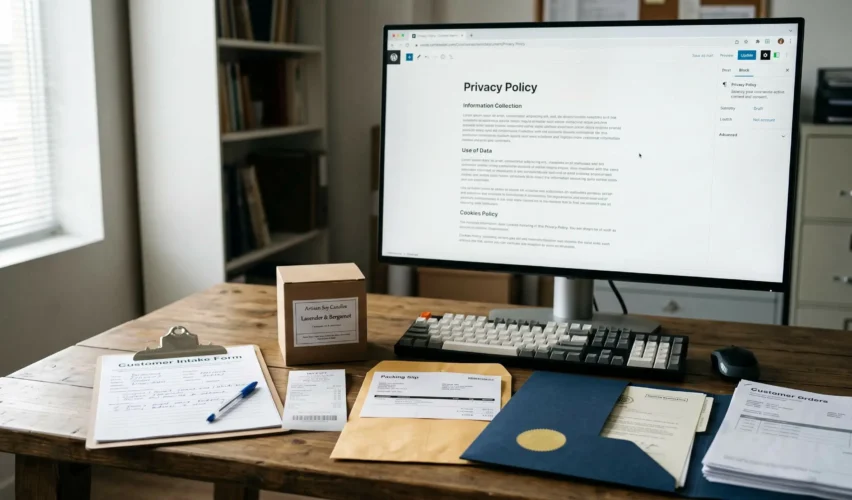
Artificial intelligence has made it easier to create website content, including Terms and Conditions, Privacy Policies, disclaimers, and other legal-related documents. A business owner can enter a few details into an AI tool and receive a document in seconds. The convenience is real, but generating a document is not the same as...
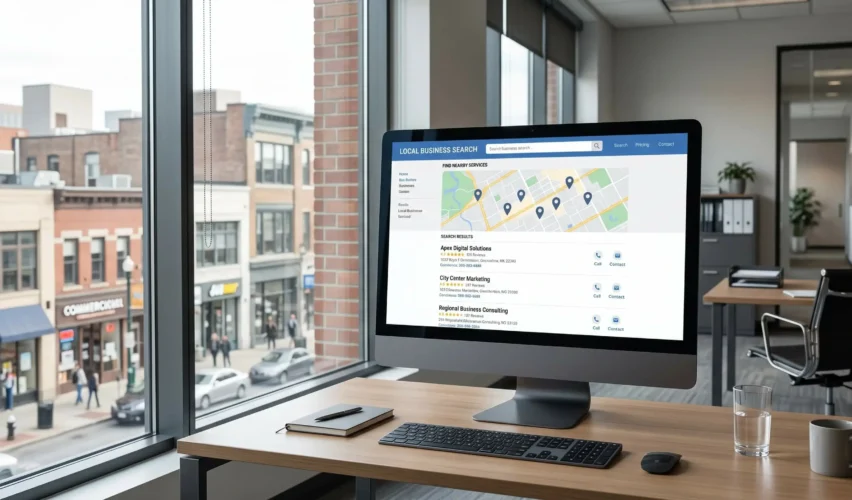
For many businesses, Google is part of the everyday customer journey. A person may find a company through Google Search, look at its Business Profile, read customer reviews, visit its website, or encounter one of its advertisements. Because so much business activity can take place across Google’s platforms, understanding the...

The Federal Trade Commission (FTC) plays an important role in the U.S. online business environment. Its work covers many activities that businesses handle every day, including advertising, e-commerce, consumer reviews, endorsements, disclosures, and marketing claims. For businesses operating online, understanding the FTC is less about...

Running a business online involves more than maintaining a website and accepting payments. Businesses also need to explain how they handle information, what customers can expect when using their website or services, and which rules apply to online interactions. Two documents commonly used for this purpose are a Privacy Policy and Terms...
 Understanding Intellectual Property in Business August 17, 2026
  Business Names, DBAs, Corporations and Trademark Protection August 17, 2026
  Trademarks and Service Marks in the Business World August 17, 2026
  Website Accessibility and the Modern Online Business August 17, 2026
  Operating an Online Business From Home August 17, 2026
  AI-Generated Legal Pages and the Reality of Online… August 17, 2026
  Google Guidelines and Your Online Business Presence August 17, 2026
  Privacy Policies and Terms in Today’s Online Business August 17, 2026